
The way I work
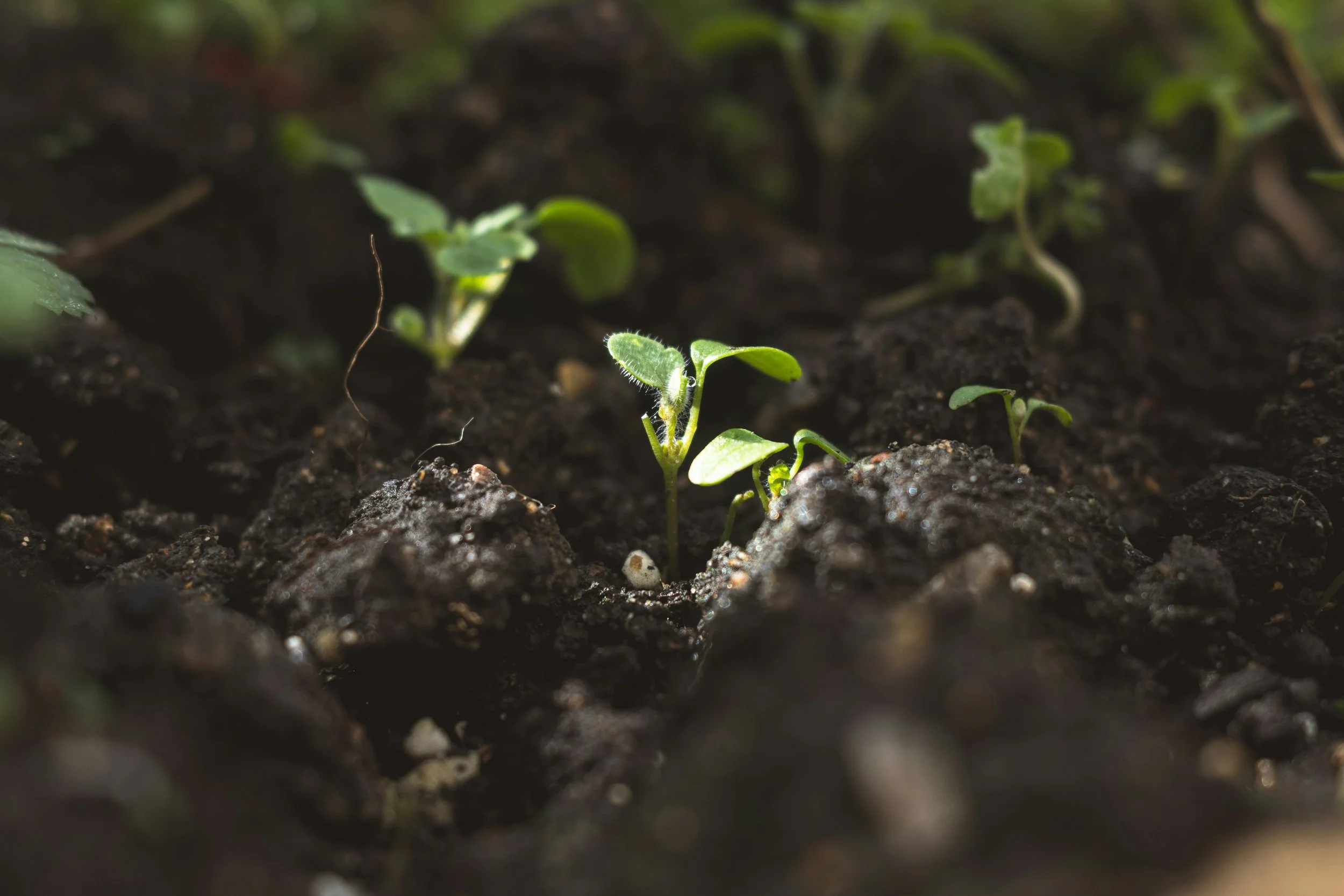
I begin where most garden designers don't: with your soil.
Before a single plant goes in the ground, I need to understand what's already there. The pH, the structure, the microclimate, what's growing, what's struggling, and why.

Starting with the soil
When a plant is suited to its soil and its setting, it establishes more readily, withstands pests and disease more naturally, and rewards you with year after year of growth without the need for synthetic intervention. It's a principle I return to again and again: right plant, right place. It sounds simple, but it changes everything. A planting scheme built on that foundation doesn't just look good for a season. It gets better with time.
In harmony with nature, not against it
My commitment to biodiversity runs through every decision I make. I design gardens as living ecosystems, not just collections of plants. That means choosing species that support local pollinators, provide food and shelter for birds, and work with the natural rhythms of the soil rather than overriding them.
Organic composts and fertilisers improve soil structure and long-term plant health. Mulching suppresses weeds and retains moisture. Over time, the garden becomes increasingly self-sustaining, needing less intervention, not more.
This isn't just good for the environment. A garden alive with insects, birdsong, and seasonal change is a fundamentally different place to spend time in. The connection to nature it offers brings with it a genuine sense of wellbeing that a purely ornamental garden rarely achieves.

A focused specialism
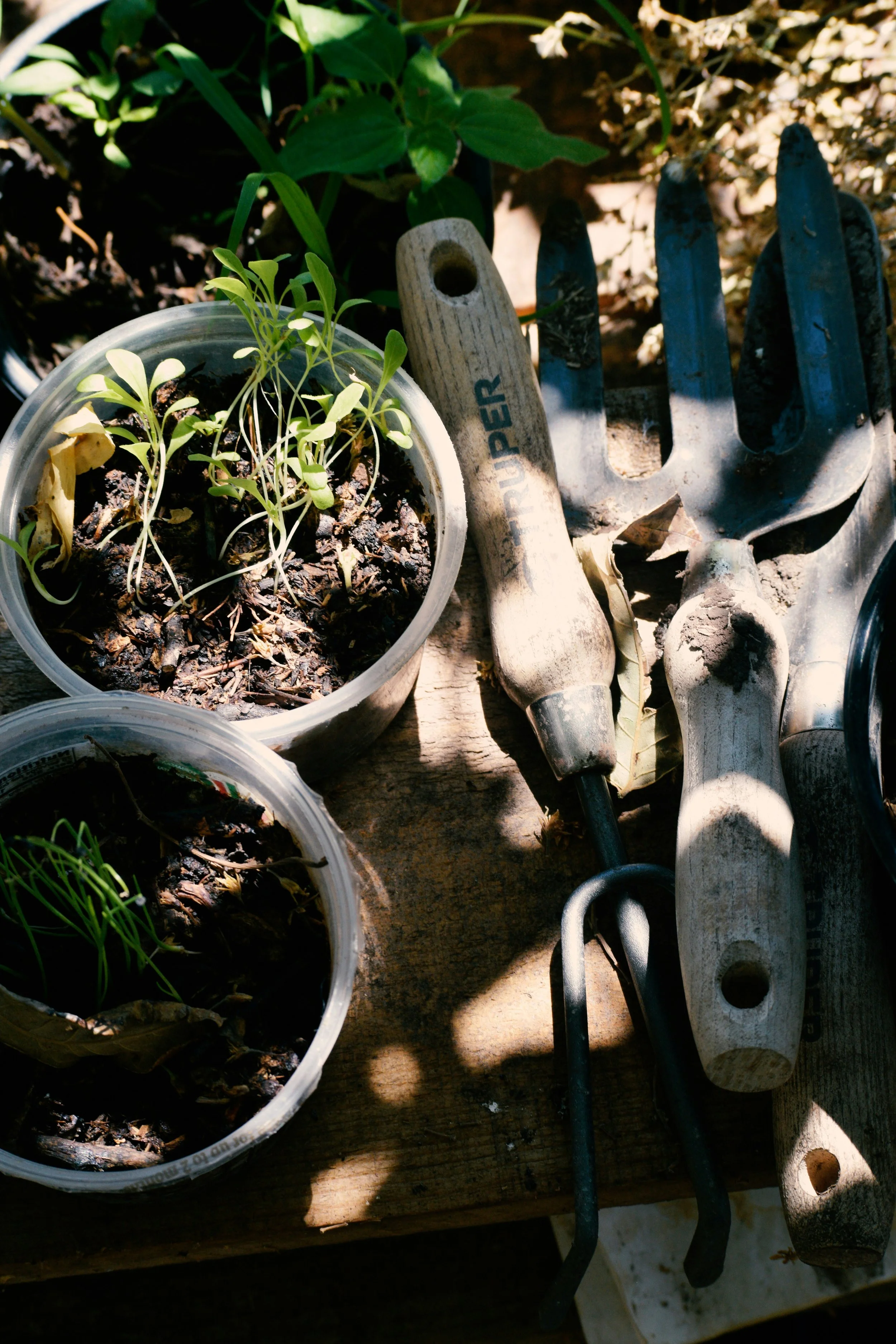
My expertise is rooted entirely in living plants and soil health. By concentrating solely on planting design and horticultural consultation, rather than hard landscaping, tree surgery, or routine maintenance, I'm able to give every project the depth of attention it deserves. It's a deliberate choice, and one that makes a real difference to the quality of the work.