The Highlands
An ecological pocket garden is a vibrant, multi-layered landscape designed to maximise biodiversity within a compact footprint.
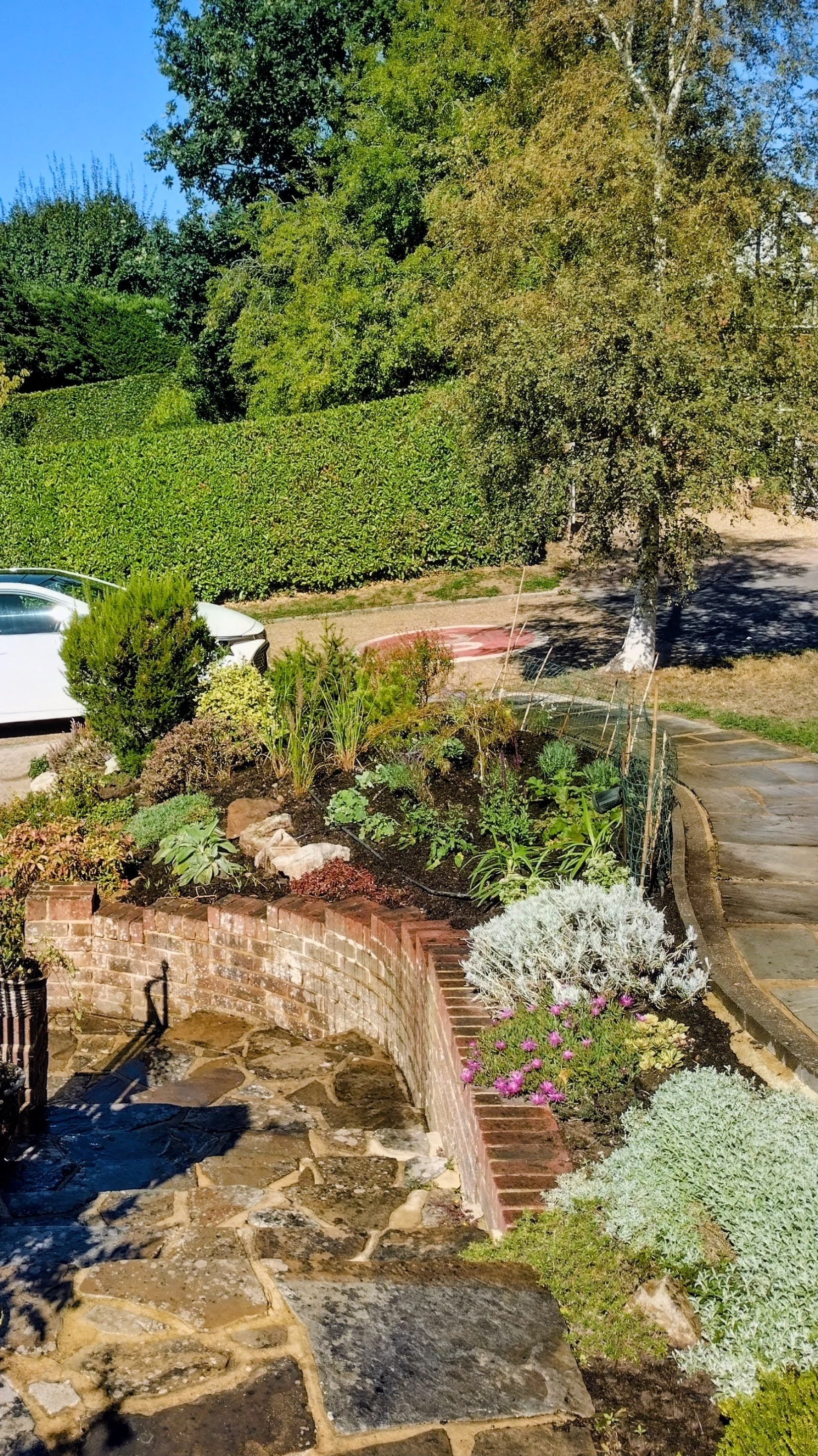
By breaking up traditional flat beds into distinct, specialised micro-habitats—or "planting pockets"—this garden provides food, shelter, and nesting sites for a massive variety of birds, pollinators, and beneficial organisms. The backbone of the garden consists of retaining walls and stones that are stacked loosely without mortar, leaving deep gaps and crevices. The stone faces mimic natural cliff-side habitats, trapping tiny amounts of organic matter. The stones absorb heat during the day and radiate it at night, creating warm, sheltered zones on one side and damp, cool, shaded zones on the other.
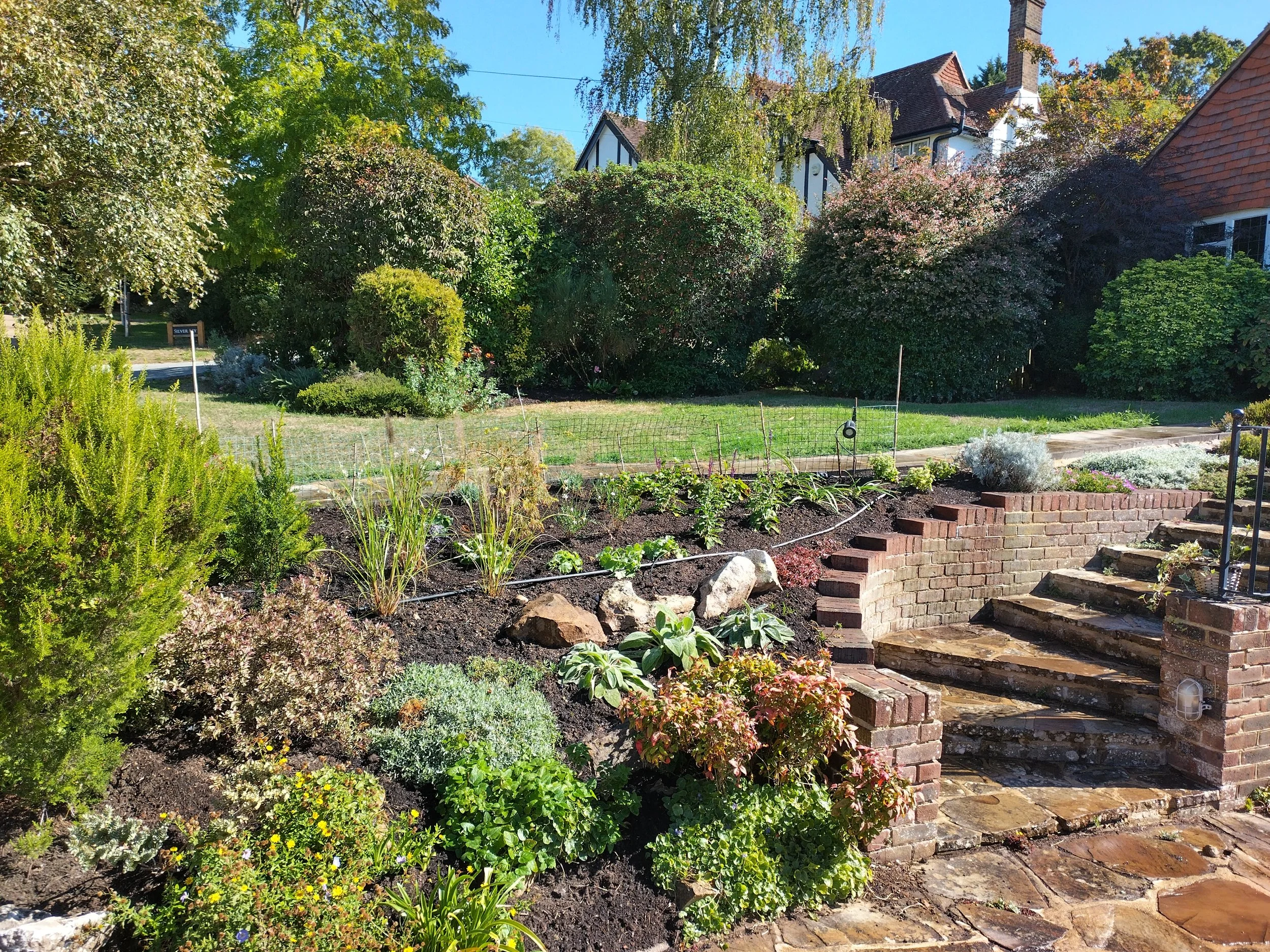
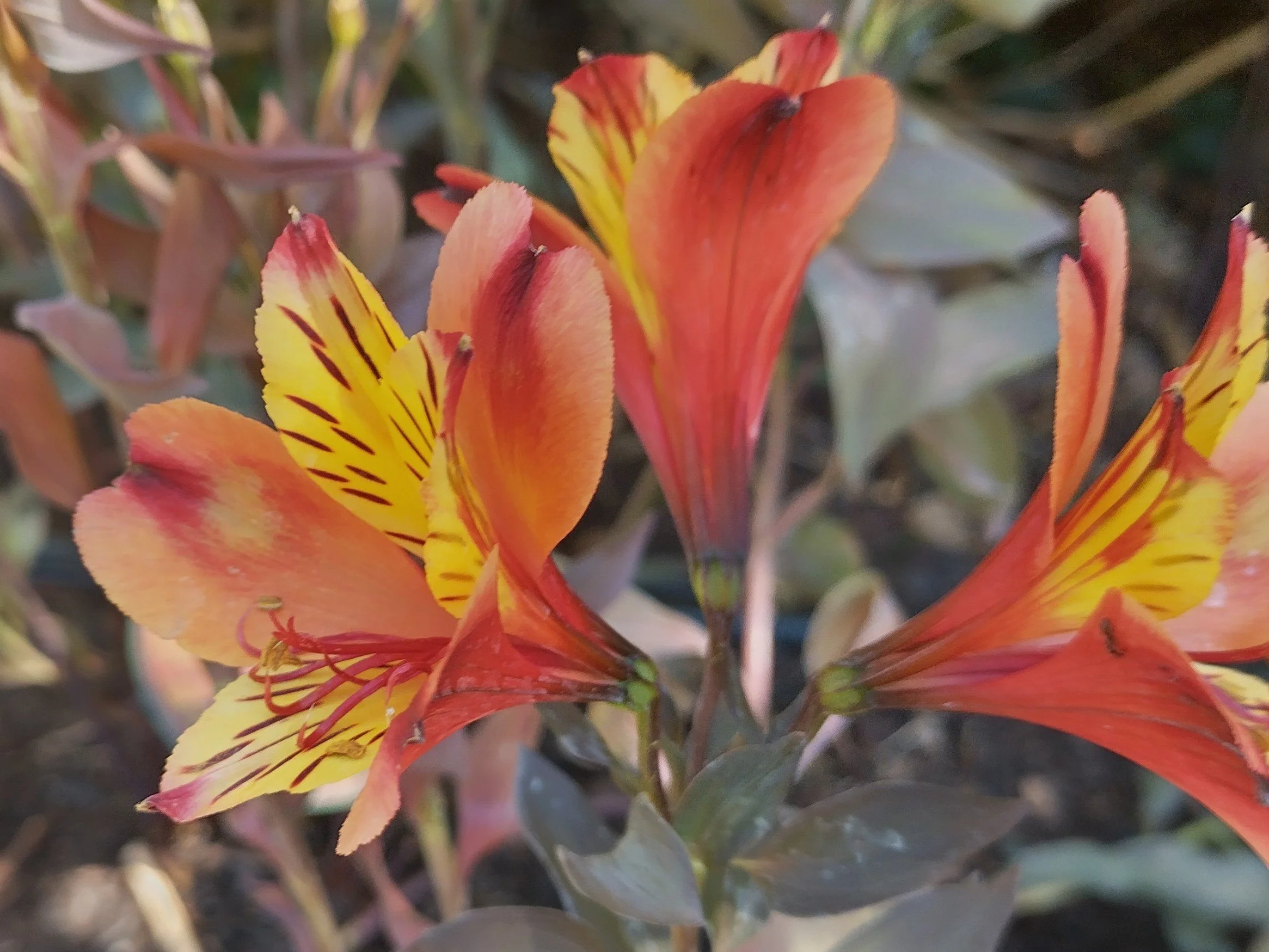
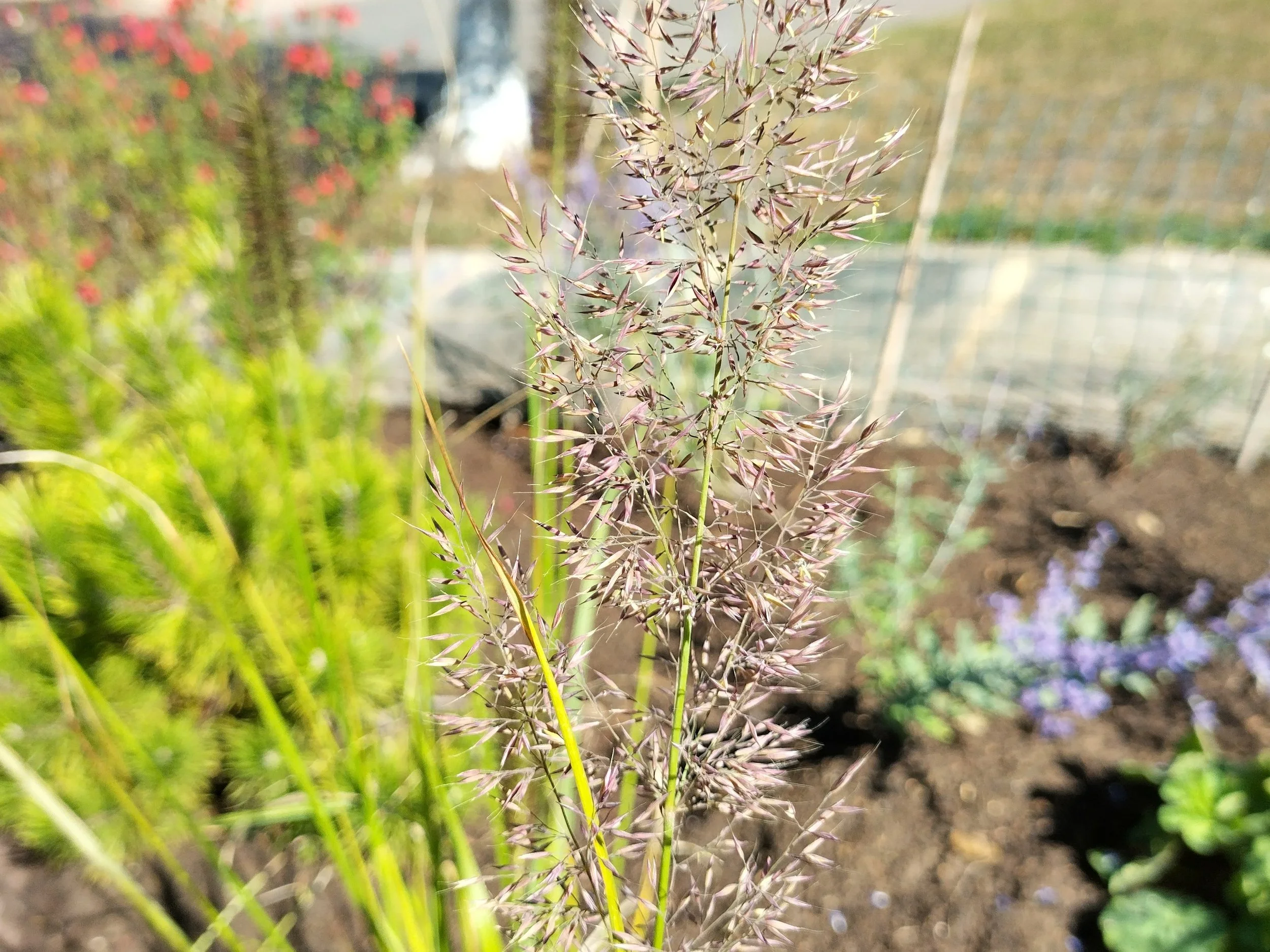
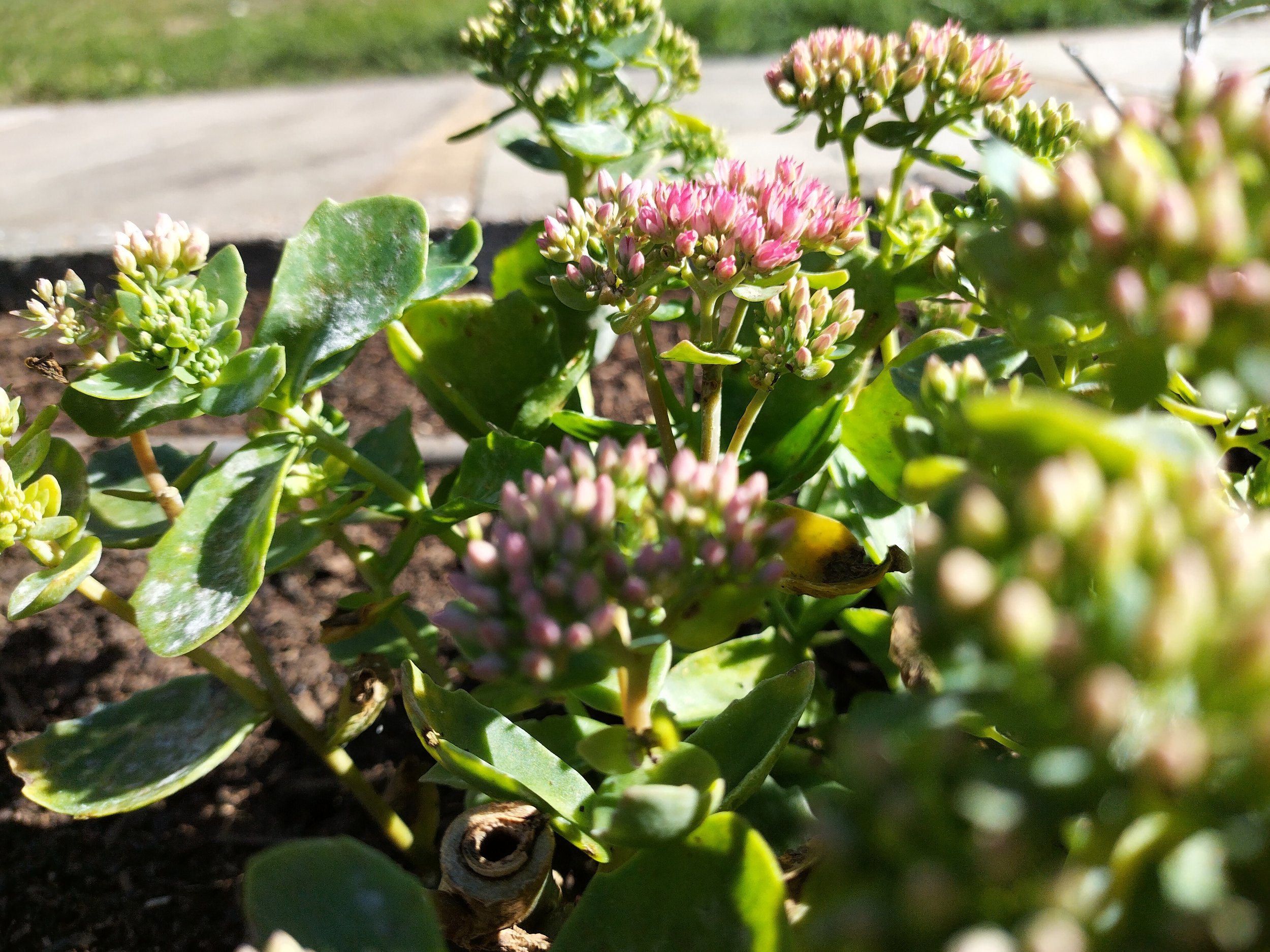
The planting pockets overlap to form a continuous, self-sustaining ecosystem that changes throughout the seasons, suppressing weeds while offering a continuous nectar highway for passing pollinators. Bursting alive in spring with early nectar for queen bumblebees. By midsummer, it’s a buzzing hive of activity, alive with butterflies and predatory wasps. In winter, the seed heads of fading perennials are left standing in their pockets, providing a vital seed bank for birds, while the deep crevices in the stone walls serve as safe hibernation sites for ladybirds and other insects.