
Plant propagation is one of the most rewarding aspects of gardening, allowing you to increase your stock and rejuvenate established plants at relatively little cost. It is one of the most useful techniques for clump forming plants like herbaceous perennials.
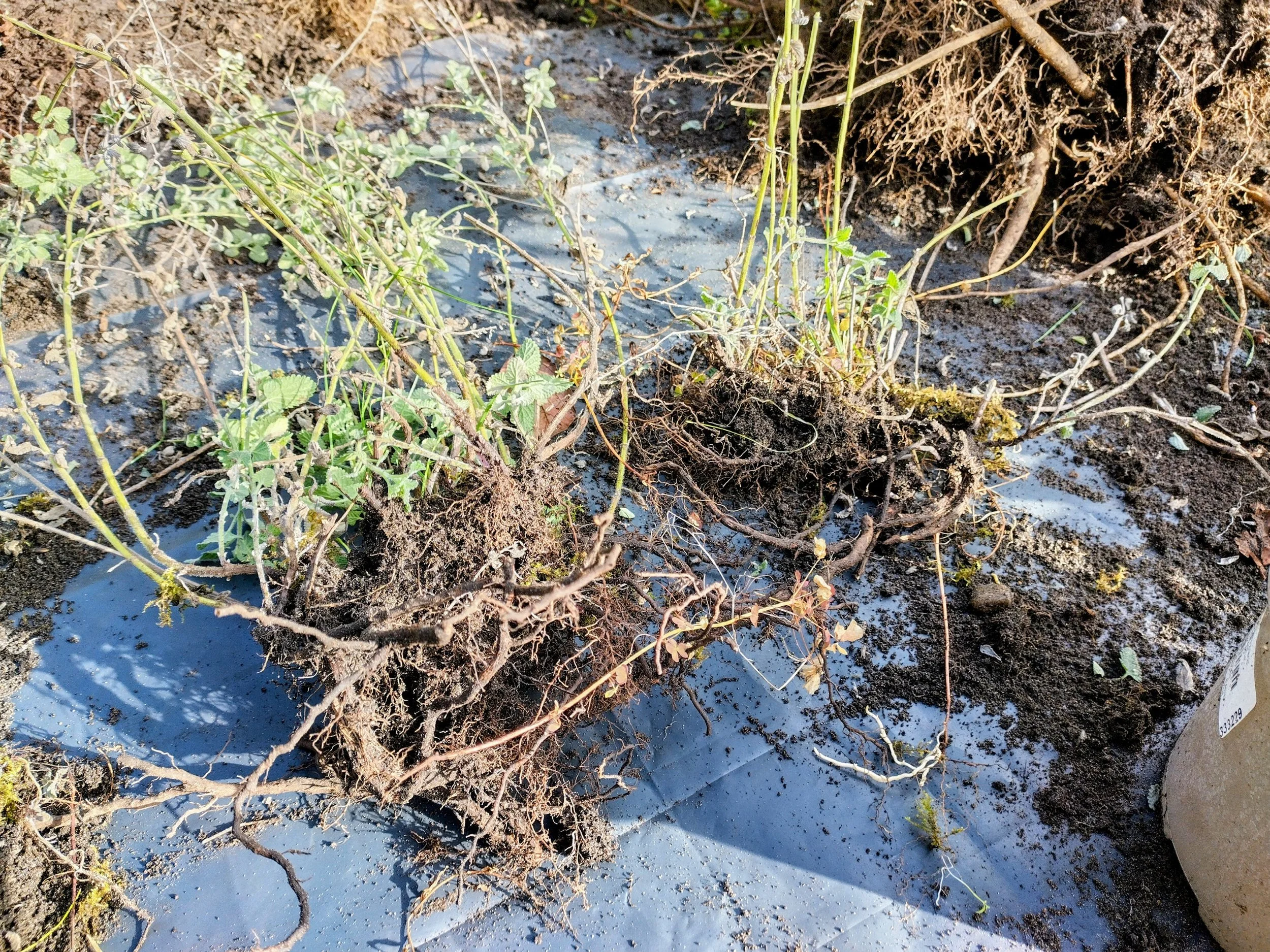
First, select a healthy, established plant that has developed over a number of years in your garden. If the soil is dry, water the plant beforehand to make lifting it easier. Use a spade or garden fork to loosen the soil around the root system, taking care to minimise root damage. Gently pull the plant apart by hand or by using two garden forks, back to back to divide the clump. Ensure that each division has healthy roots and at least one viable growing point. Any dead, damaged or diseased sections can be discarded. Place each division at the appropriate depth in suitable soil, allowing enough room for future growth. Water the new plants after planting and keep the soil appropriately moist while they establish, avoiding waterlogging. Check the divisions regularly for signs of fresh growth and protect them from excessive heat, drought or other environmental stress.
Whether you are maintaining a small garden, or a substantial border additional plants can be produced from the ones you already own. A mature perennial may be divided several times, providing multiple new plants. These can be used to fill gaps in borders, extend existing planting schemes, establish new beds or share with family and friends.
If you are working to a limited budget, division is an especially valuable way to create a fuller garden without incurring significant additional costs. The propagated plants already possess a developed root system and, in many cases, established shoots, leaves and stored energy reserves. As a result, divided plants may reach flowering or mature size sooner than seed-grown alternatives. This makes division particularly useful to establish new planting areas or achieve a fuller display within a relatively short period.
Most importantly, propagating plants by division supports more sustainable gardening practices. By making use of existing plants, gardeners can reduce the number of new plants they need to purchase and potentially lower the resources associated with commercial production, packaging and transport.
Compared with some other propagation techniques, division requires relatively little specialist equipment. A spade, garden fork, sharp knife or suitable hand tool, together with access to water and an appropriate planting site, is often sufficient. The method is also straightforward to learn. In many cases, simply lift the plant, separate the root mass into healthy sections and replant them at the correct depth.
Early spring and early autumn are commonly suitable periods for dividing many perennials. Cooler conditions and adequate soil moisture can help plants establish before they face the stresses of summer heat or winter cold. For gardeners of all experience levels, propagation by division is an accessible and rewarding way to combine plant care, garden improvement and the pleasure of growing.