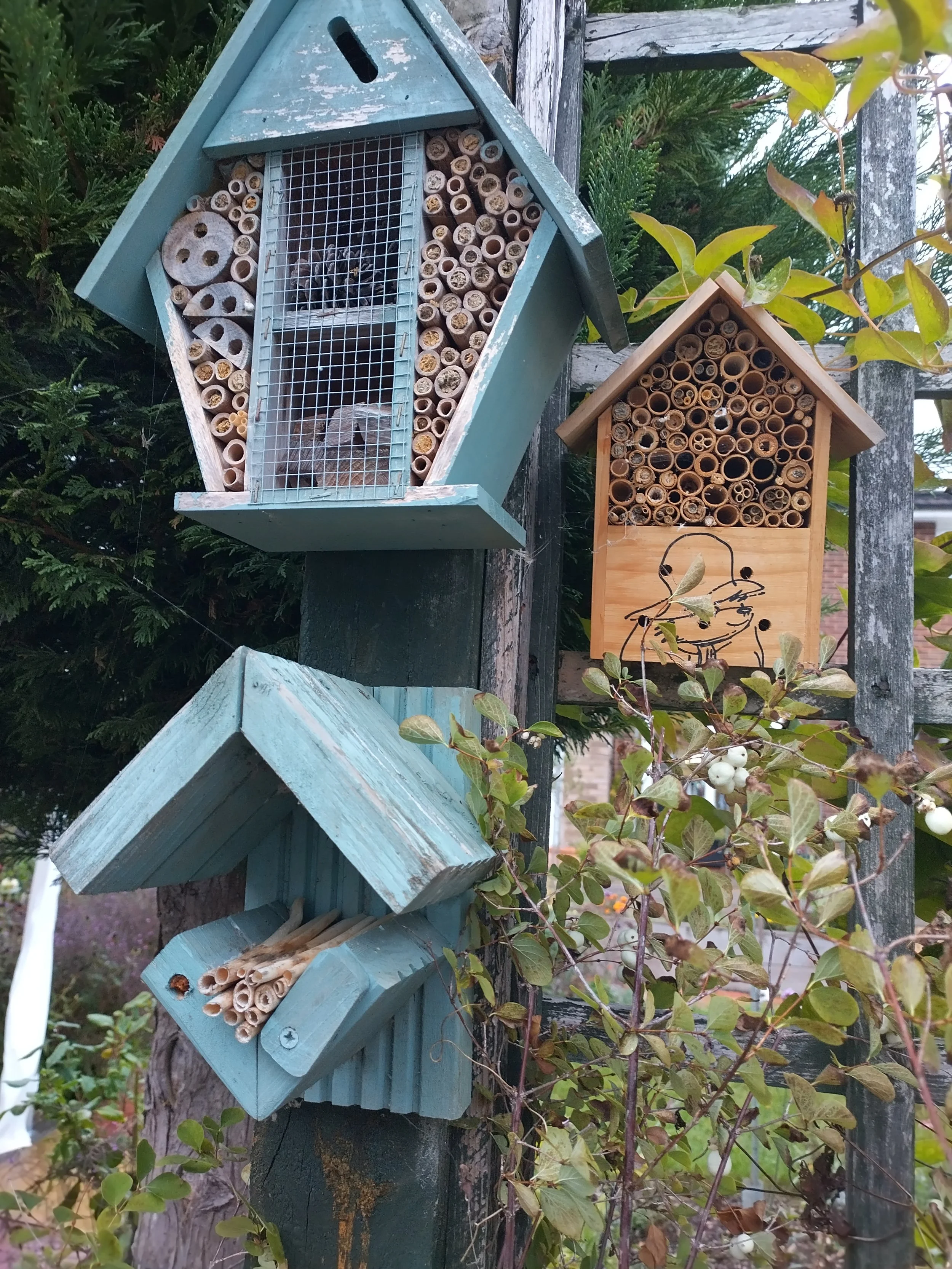
Have you ever wondered where all the little creatures in your garden go to sleep, hide from the rain, or spend the winter? A bug hotel is a wonderful way to give insects and other tiny garden visitors a safe place to shelter. Best of all, it’s easy to make, budget-friendly, and a brilliant project for the whole family!
Whether you have a large garden, a small patio, or just a little outdoor space, you can create a cosy home for some of nature’s smallest residents.
What Is a Bug Hotel?
A bug hotel, sometimes called an insect hotel, is a structure made from natural materials that provides shelter for different creatures, including ladybirds, solitary bees, woodlice, beetles and spiders.
Bug hotels can help encourage wildlife into your garden and give beneficial insects places to shelter, nest and overwinter. They’re also a fantastic way to learn more about the amazing creatures living right on our doorsteps.
What You’ll Need
The beauty of making a bug hotel is that you can use materials you already have at home or find in the garden.
Here are some useful supplies:
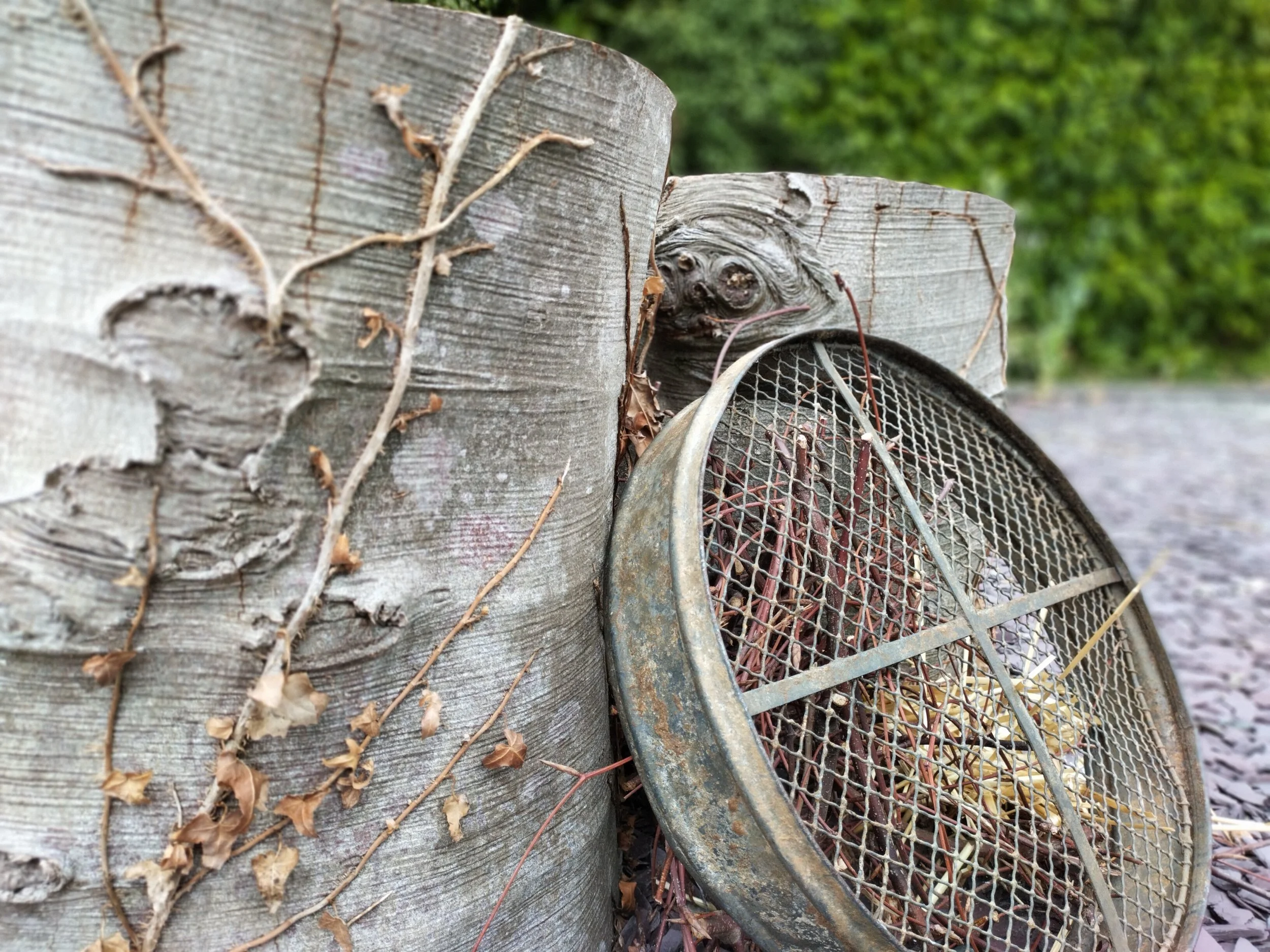
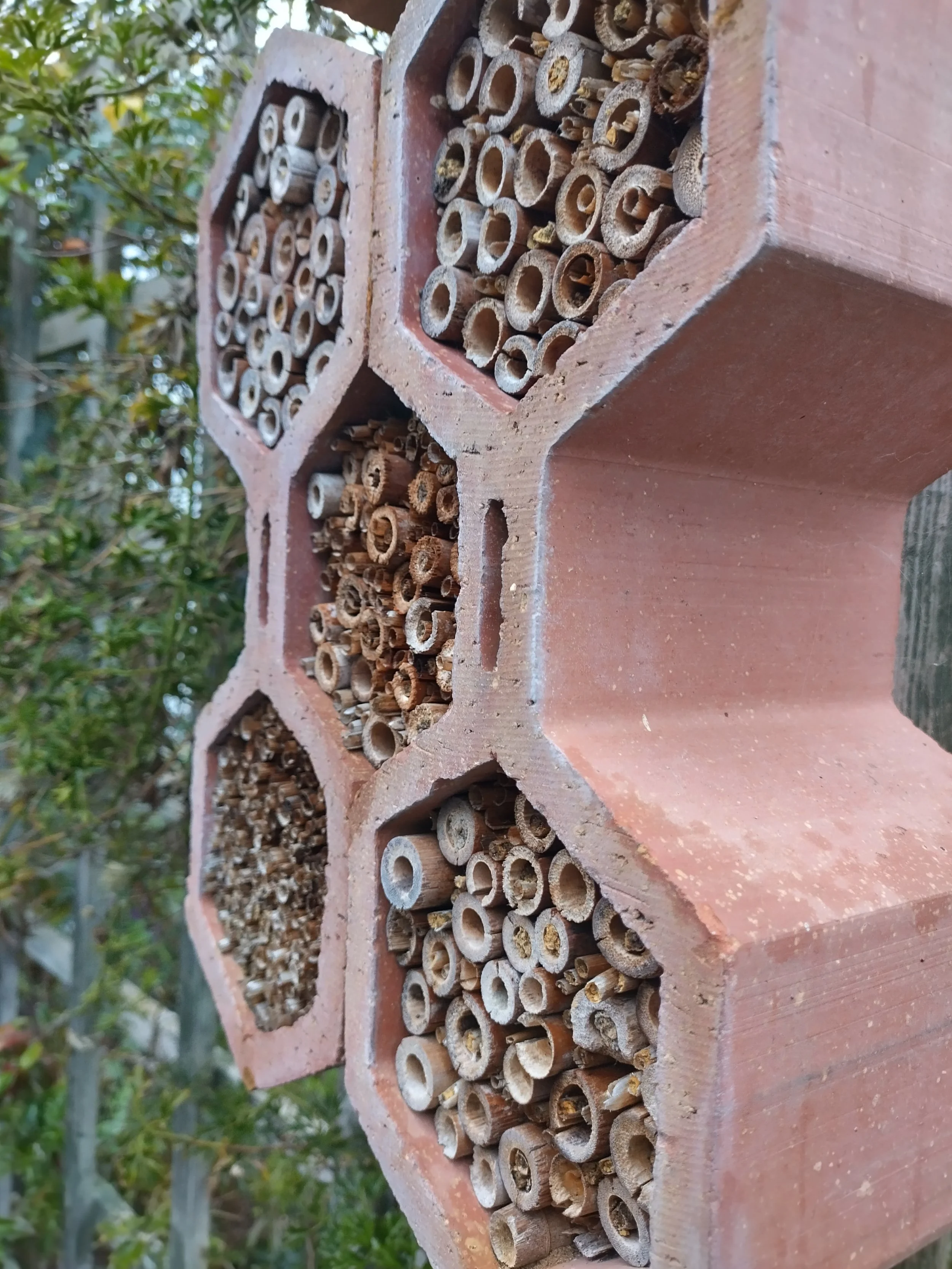
For the main structure a wooden crate, old pallet, sturdy wooden box or even hexagonal drainage pipes from the salvage yard will do. Then fill them with hollow bamboo canes or dry hollow plant stems. Dry leaves and small twigs. Pine cones. Loose pieces of bark. Small logs with natural crevices. Straw or dry plant stems.
Top tip: Avoid treated wood, painted timber, plastic packaging and sharp metal objects. Natural, dry materials are best for creating a safe shelter.
Step 1: Choose the Perfect Spot
Before you start building, find a suitable place for your bug hotel. A quiet corner of the garden is ideal, especially somewhere sheltered from strong winds and heavy rain. Place it on stable ground or secure it firmly to a wall, fence or sturdy post. A little morning sunshine can be helpful, but avoid a location that becomes excessively hot or stays constantly damp. Try to choose a spot near flowering plants, shrubs or other natural garden features so visiting insects have food and shelter nearby.
Step 2: Build the Structure
If you’re using a wooden crate, stand it securely on its side so the opening faces outwards. For a larger hotel, you can use stacked wooden pallets, provided they are stable and safely secured. The structure should have several compartments or spaces to hold different natural materials. There’s no need to make it perfect. A simple, sturdy structure is all you need!
Step 3: Fill It with Natural Materials
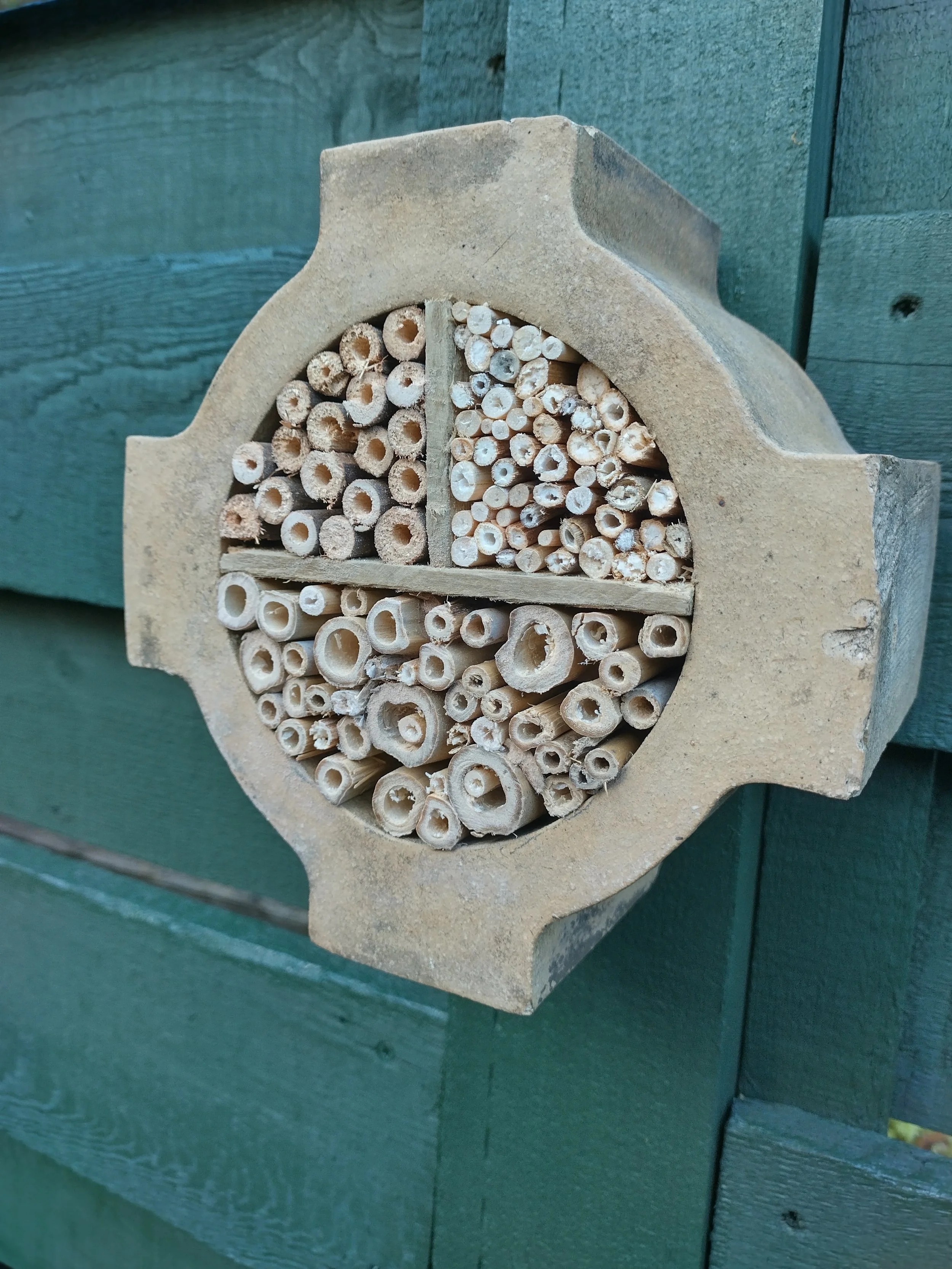
Now comes the fun part: creating different rooms for your garden visitors. Try filling each section with a different material. Bamboo canes: Cut them into short lengths and ensure the ends are smooth. Place them horizontally with the hollow openings facing outwards. These can provide nesting spaces for some solitary bees. Pine cones: Pack them loosely into a compartment to create little gaps for small invertebrates. Dry leaves: Add a layer of leaves to create sheltered hiding places for beetles and other tiny creatures. Twigs and bark: Arrange these loosely to provide crevices where insects and spiders can hide. Small logs: Use untreated, naturally weathered wood with existing holes and crevices. Straw and dry stems: Add these loosely to provide extra shelter. Different creatures prefer different conditions, so offering a variety of materials is a great way to make your bug hotel more welcoming. Remember not to pack everything too tightly. Small gaps and natural spaces are what make the hotel useful!
Step 4: Make It Safe and Secure
Once you’ve filled the compartments, check that everything is stable. Materials should stay in place without falling out, and the whole structure should be protected from being knocked over. Keep the hotel off wet ground where possible, and ensure it has some protection from driving rain. Avoid materials that become waterlogged or mouldy, and check the structure occasionally to make sure it remains in good condition. If you’re making a bug hotel specifically for solitary bees, smooth, appropriately sized nesting tubes with closed backs are preferable to rough, splintered canes. Replace damaged tubes when appropriate, and avoid disturbing occupied nests.
Step 5: Add the Finishing Touches
Your bug hotel is ready, but why not make the surrounding area even more inviting? Plant some nectar-rich flowers nearby, leave a small patch of fallen leaves, or allow a few stems to remain standing over winter. Native flowering plants can provide valuable food for pollinators throughout the seasons. You could even add a small handmade sign with a name such as The Little Garden Inn.
How to Look After Your Bug Hotel
One of the best things about a bug hotel is that it needs very little maintenance.
Here are a few simple tips:
Make sure the structure remains secure and protected from excessive moisture. Avoid taking apart occupied sections or opening nesting tubes to inspect them. Avoid spraying pesticides around the hotel and nearby flowering plants. Be patient, wildlife may take time to discover your new shelter. Some sections might be used straight away, while others may remain empty for a while. Let nature do its thing. Fallen leaves, dead stems and other natural garden materials can provide additional habitat nearby. A bug hotel isn't guaranteed to attract a particular species, but providing suitable shelter and a wildlife-friendly garden gives small creatures more opportunities to thrive.
Why Make a Bug Hotel?
Making a bug hotel is about much more than building a pretty garden feature. It’s a simple way to support biodiversity and discover the fascinating wildlife in your garden. Many insects help pollinate plants, break down dead organic matter or form an important part of the food chain. By providing suitable habitat and avoiding harmful chemicals, we can make our gardens more welcoming to wildlife. It’s also a brilliant hands-on activity, collecting natural materials, learning about different insects and observing how the garden changes throughout the year. And because you can use reclaimed wood and materials from the garden, it’s an affordable project that encourages creativity and reuse.
Final Thoughts
Creating a bug hotel is a simple, rewarding way to make your outdoor space more wildlife-friendly. With a sturdy wooden structure, a handful of natural materials and a little patience, you can provide shelter for some of the smallest and most important visitors to your garden.
So why not give it a go? Gather your twigs, pine cones, bamboo canes and leaves, find a quiet corner, and build your very own wild retreat.
You might be surprised by the tiny neighbours who come to stay!