
From Overgrown to Outstanding:Transforming a Garden into a VibrantOutdoor Oasis
Every great garden transformation begins beneath the surface. While beautiful planting schemes, crisp borders, and vibrant foliage create the visual impact, the real secret to a successful garden makeover lies in preparing the ground properly and rethinking the space from the roots up.

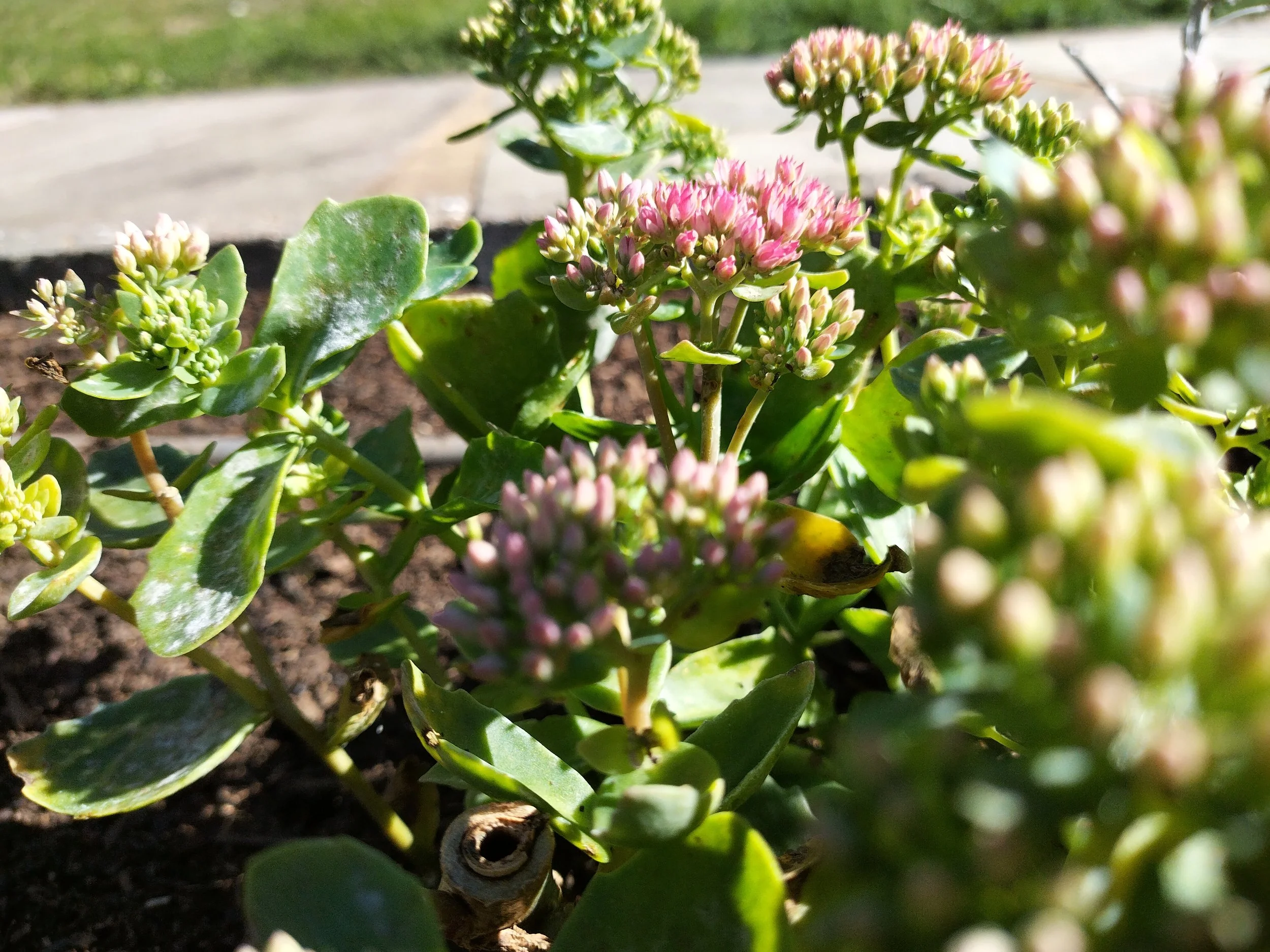
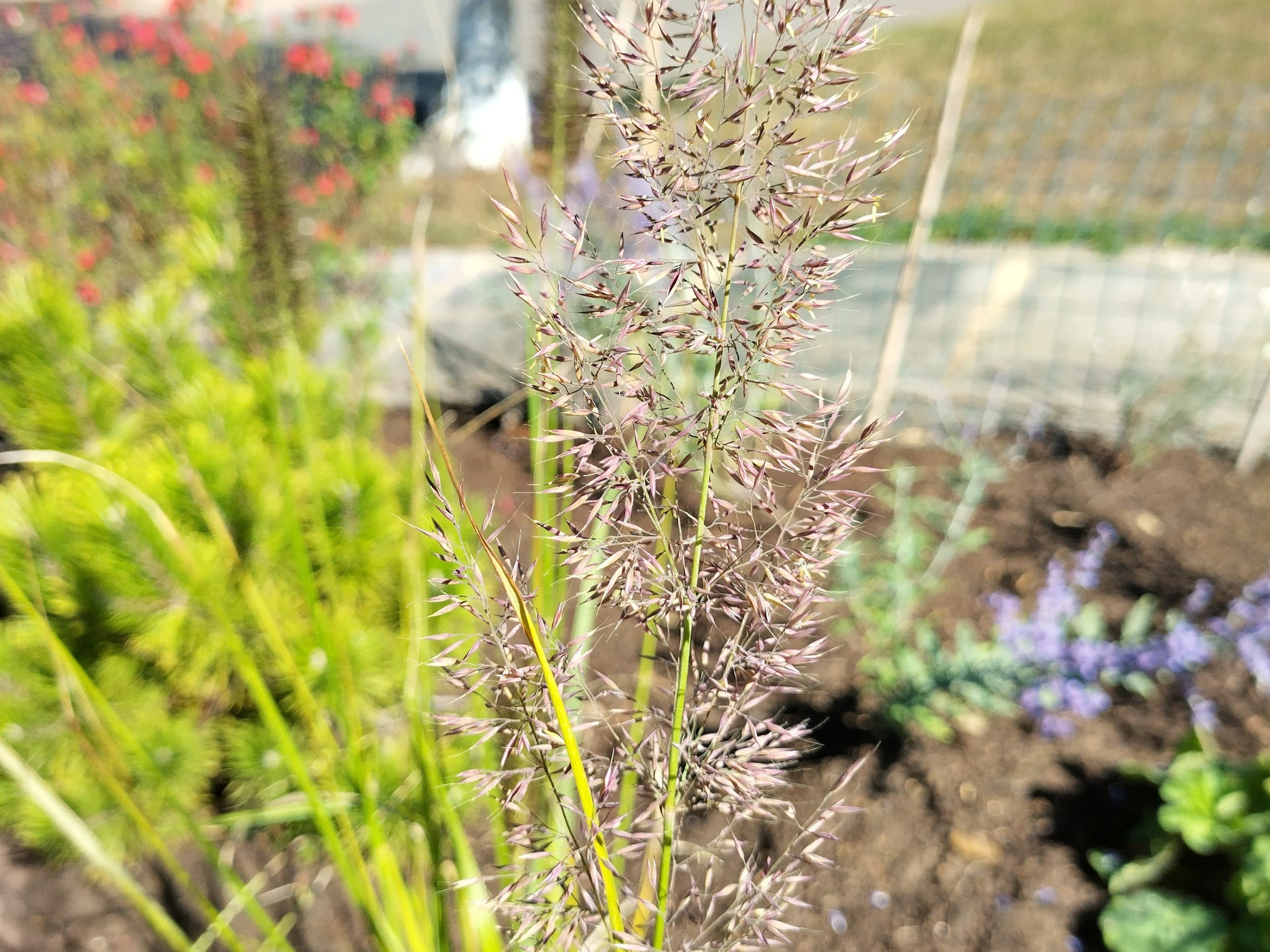
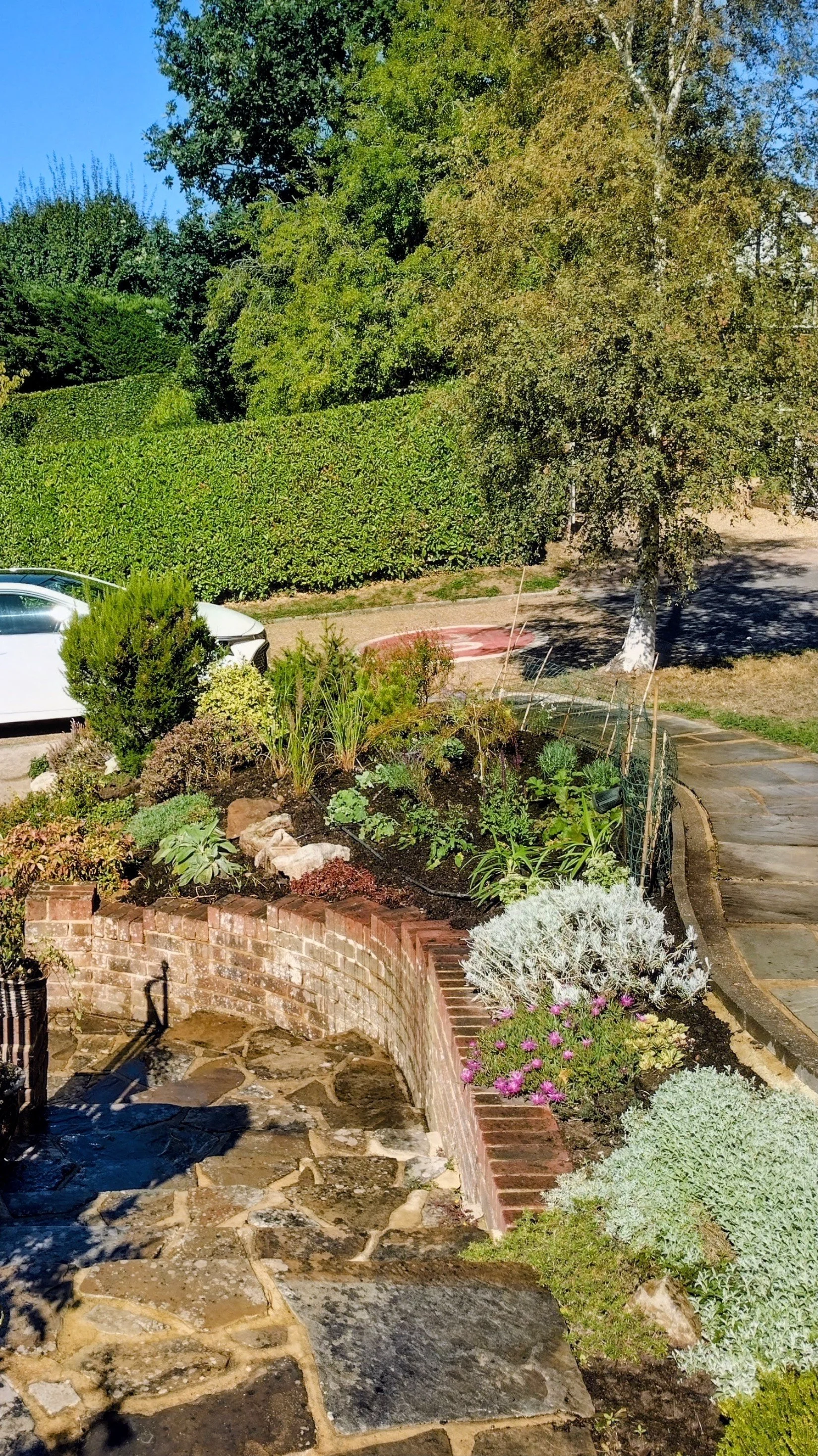
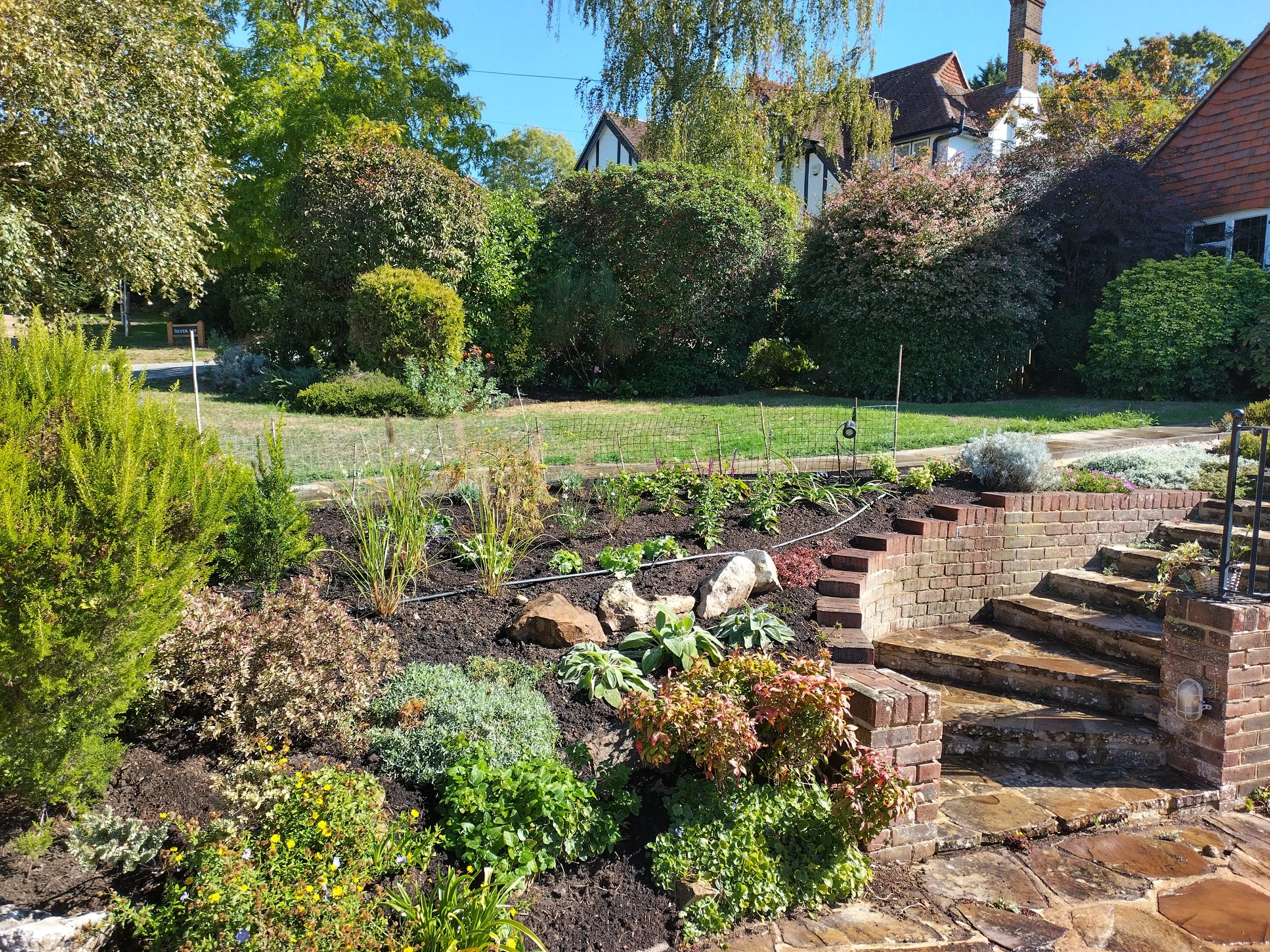
This recent garden transformation was all about creating a structured, vibrant outdoor oasis by combining improved soil health, clean geometric lines, and a carefully considered planting scheme. Rather than simply adding new plants, the focus was on building a strong foundation that would allow the garden to thrive for years to come.
Step 1: Salvaging and Dividing Existing Perennials
Before making any major changes, it is worth looking at what you already have. Healthy, mature perennials can often be salvaged and reused, saving money while retaining established plants that are already suited to the garden's conditions.
Carefully lifting and dividing these plants creates an opportunity to rejuvenate congested root systems, encourage stronger growth, and increase the number of plants available for the new layout.
Once divided, the plants were temporarily potted up and kept in suitable conditions while the groundwork was completed. This protected the roots and allowed the new borders to be prepared without rushing the replanting process.
Reusing existing plants is not only practical but also sustainable, helping to create a garden with a sense of continuity while giving familiar favourites a fresh new setting.
Step 2: Redefining the Borders with Clean, Modern Lines
One of the biggest visual changes came from rethinking the shape and structure of the existing borders.
The original edges were recut to create larger raised beds, introducing more generous planting areas and a stronger sense of proportion. Crisp galvanised steel edging was then used to define the boundaries, creating a clean, contemporary finish.
The contrast between the metallic edging, dark soil, and surrounding lawn gives the garden a more architectural feel. These sharp lines provide a framework for the planting, making the entire space appear more organised and intentional.
Well-defined borders also make ongoing maintenance easier, helping to keep lawn edges neat and preventing the planting areas from losing their shape over time.
Step 3: Improving the Soil from the Ground Up
Beautiful planting starts with healthy soil. In this garden, the underlying ground was compacted and heavy with clay, making soil improvement one of the most important stages of the transformation.
Compacted soil restricts the movement of water and air, making it difficult for roots to establish and grow deeply. To address this, the ground was carefully aerated using a garden fork, gently loosening the soil and creating channels for air, moisture, and roots to penetrate.
A generous layer of organic soil conditioner was then incorporated to improve the soil's structure and support a healthier growing environment. Around 3–4 inches (7.5–10 cm) can be a useful starting depth for many garden beds, depending on the existing soil and the conditioner being used.
Organic matter helps improve the workability of heavy clay, supports beneficial soil organisms, and gradually contributes to better drainage and moisture retention.
Where drainage is particularly poor, horticultural grit or other suitable mineral amendments may also be considered. However, adding small amounts of grit to heavy clay can sometimes make the texture worse. For lasting improvement, incorporating sufficient organic matter and assessing the underlying drainage are usually more effective starting points.
The aim is to create a living, workable soil that supports strong root development while allowing beneficial microbes and earthworms to flourish.
Step 4: Creating a Layered and Cohesive Planting Scheme
With the borders reshaped and the soil improved, attention turned to the planting design.
A successful modern garden border is about much more than filling empty spaces with individual plants. It relies on rhythm, repetition, contrasting textures, and carefully planned height layers to create a cohesive composition.
Taller plants provide structure and act as focal points, while medium-height perennials fill the central areas and create visual flow. Lower-growing plants soften the edges, helping the planting merge naturally with the surrounding landscape.
Repeating selected plants throughout the borders creates a sense of rhythm and continuity, making the garden feel connected rather than fragmented.
Foliage plays an equally important role. Combining different leaf shapes, sizes, and shades of green introduces depth and interest, even when flowers are not in bloom. Contrasting colours and textures can then be used to bring energy and vibrancy to the overall design.
Planning for year-round interest is essential. By incorporating evergreen structure, plants with attractive seed heads, and perennials with different flowering seasons, the garden can remain visually engaging long after the summer blooms have faded.
Once the layout was established, the salvaged perennials could be replanted alongside carefully selected additions, giving the borders a fresh identity while making the most of the plants already available.
Step 5: Finishing with Mulch and Crisp Edges
The final details are often what bring a garden transformation together.A generous layer of suitable mulch creates a neat, consistent finish across the planting beds, providing a striking contrast against the fresh foliage and galvanised edging. It also helps suppress weeds, reduce moisture loss, and protect the soil surface.
Organic mulch will gradually break down, contributing additional organic matter to the soil. It should be spread evenly without piling it against plant crowns or woody stems, allowing plants to grow freely and reducing the risk of rot.
Combined with the sharply defined borders, the dark mulch creates a polished backdrop that allows the colours, shapes, and textures of the plants to stand out.
These finishing touches transform the garden from a collection of individual elements into a unified, thoughtfully designed space.
The Final Transformation: Structure, Colour and Long-Term Growth
The beauty of this garden makeover lies in the combination of practical groundwork and considered design.
Improving the soil created better conditions for healthy growth. Reshaping the borders introduced definition and structure. Dividing and reusing established perennials made the most of existing plants, while the new planting layout brought rhythm, depth, and year-round interest to the space.
The contrast between the dark mulch, clean geometric lines, and layered shades of fresh foliage completes the transformation, creating a garden that feels both contemporary and full of life.
Most importantly, this is more than a quick cosmetic makeover. By investing time in the soil and planning the planting scheme carefully, the garden has a stronger foundation for long-term success.
The biggest lesson? A beautiful garden doesn't begin with the plants you buy. It begins with the soil you prepare, the structure you create, and the vision that brings everything together.