
Wildflower Seeds Sowing Guide
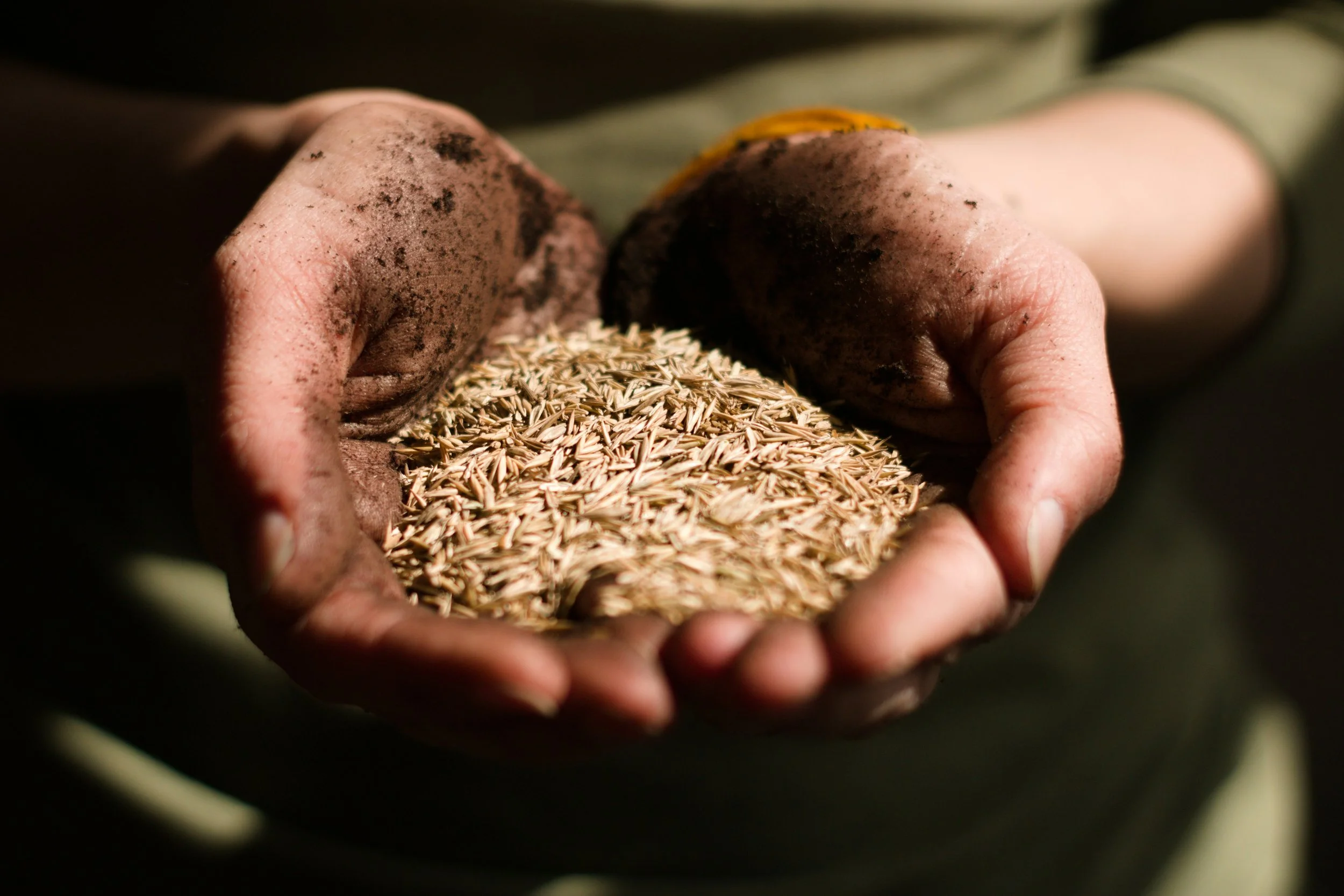
Sow March to May, when the soil is warm. Water the soil before sowing. Scatter them thinly and cover with a light layer of soil, no more than 5 mm deep. Sow in gentle, semicircular lines to create informal drifts of flowers. Keep the soil moist until seedlings appear, then water during dry spells as needed. Once they are large enough to handle, remove some to prevent overcrowding.
What to expect
The flowers will attract butterflies and other beneficial insects, helping to create a wildlife-friendly garden right outside your door.
How to prepare your garden for wildflower seeds
The key to growing a beautiful, informal wildflower patch is to prepare the ground well, keep the seeds near the soil surface, and avoid adding too much fertiliser. Most wildflower mixtures do best in open soil with plenty of light and limited competition from grass and weeds.
Step-by-step planting guide
1. Choose a sunny spot
Pick an area that receives around six hours of sunlight a day if possible.
Clear away grass, weeds and stones, especially any persistent weed roots.
Loosen the top few centimetres of soil and rake it into a fine, level surface. Firm it gently with the back of a rake.
Avoid enriching the soil with compost or fertiliser unless your seed packet specifically recommends it.
2. Sow the seeds thinly
Water the ground first, then scatter the seeds evenly. For a natural look, sow them in curved or semicircular bands. Cover lightly with fine soil, up to 5 mm deep, as directed on your packet.
3. Water gently
Use a watering can with a fine rose so the seeds aren't washed away. Keep the surface moist, but not waterlogged, until the seedlings appear. Water during dry spells.
4. Thin and maintain
When seedlings are large enough to handle, remove excess plants if they are overcrowded. Weed carefully while the flowers establish, taking care not to pull out the seedlings.
When will the flowers grow?
For your mixture, the packet recommends sowing between March and May. Since it's now October in the UK, check whether the packet also permits autumn sowing before planting now. Some hardy wildflowers can be sown in autumn, while others are best left until spring.
A few tips for a successful wildflower patch
Don't sow too thickly
Crowded seedlings compete for light, water and space.
Avoid heavy watering
Gentle watering prevents seeds from being buried too deeply.
Be patient
Some flowers appear quickly, while others take longer to germinate or flower.
Leave some flowers to set seed
Once established, this can help your patch return in future seasons, depending on the species.